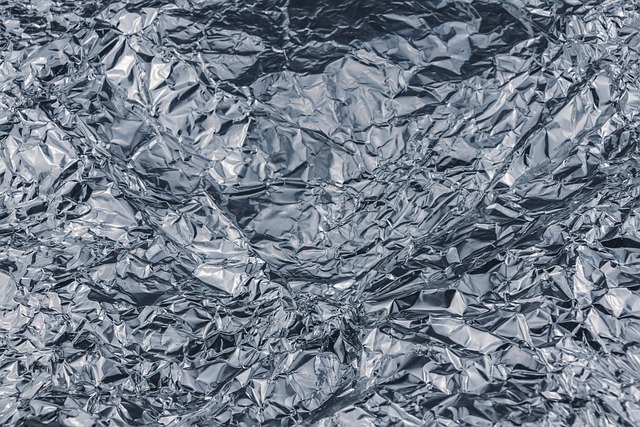

Aluminium, a lightweight yet strong metal, has quietly become a mainstay in contemporary sculpture. Its versatility allows artists to push the boundaries of form, scale, and finish while embracing sustainable practices. In the world of art and design, the material’s adaptability has opened new avenues for creative expression and technical experimentation, making it a favored choice for sculptors who seek both visual impact and structural efficiency.
Material Properties that Inspire Innovation
The appeal of aluminium lies in its unique combination of attributes. It is remarkably light, yet it can support large volumes without compromising strength. Its natural resistance to corrosion, especially when anodized, extends the life of outdoor installations. Moreover, aluminium’s high thermal conductivity and malleability make it suitable for a wide range of fabrication techniques, from hand forging to precision laser cutting. These qualities enable sculptors to explore both monumental forms and delicate, intricate details.
- High strength-to-weight ratio
- Corrosion resistance and anodic stability
- Excellent thermal and electrical conductivity
- Ease of machining, casting, and extrusion
Historical Roots of Aluminium in Art
Aluminium first entered the artistic arena in the late 19th century, as industrial production scaled up and the metal became more affordable. Early adopters, such as the sculptor John Quincy Adams, experimented with the material’s lightweight properties for architectural ornaments and decorative panels. The metal’s introduction into the art world coincided with a broader movement toward modernism, where artists sought new materials to break away from traditional stone and bronze.
“Aluminium offered a fresh vocabulary for the modernist sculptor, a medium that could embody the machine age’s spirit while still maintaining a tactile presence.” – Art Historian L. M. Bennett
Contemporary Artists Who Champion Aluminium
In the 21st century, aluminium has become a staple in the studios of leading contemporary sculptors. Antony Gormley’s “Angel” series utilizes the metal’s reflective surface to create ethereal forms that seem to hover. Richard Serra’s large-scale installations harness aluminium’s structural capacity, allowing him to construct sweeping curves that challenge spatial perception. Meanwhile, the work of Chinese artist Liu Bolin incorporates aluminium panels as canvases for his photographic overlays, marrying the material’s industrial feel with subtle conceptual layers.
Techniques of Aluminium Sculpture
Artists employ a range of techniques to manipulate aluminium into expressive shapes. Forging and hand hammering reveal the metal’s capacity for subtle grain patterns, while extrusion allows for precise, repeatable profiles that can be assembled into complex structures. Laser cutting and CNC milling enable intricate cutouts and fine detailing that would be impossible by hand. Additionally, anodization provides a protective, colorable layer that can enhance visual texture and durability.
- Hand forging for organic, tactile surfaces
- Extrusion for repeatable, modular components
- Laser cutting for detailed, perforated patterns
- Anodizing for color variation and surface protection
Installation Considerations and Spatial Dialogue
When integrating aluminium sculptures into public or private spaces, architects and curators must consider load distribution, anchoring systems, and environmental exposure. Because aluminium does not rust, it is ideal for outdoor installations; however, thermal expansion can affect mounting systems, necessitating flexible supports. The metal’s reflective quality can also influence lighting design, as it amplifies ambient light and creates dynamic visual effects that shift with viewer perspective.
Conservation Practices for Aluminium Works
Despite its resistance to corrosion, aluminium sculptures require thoughtful conservation. Surface cleaning should avoid harsh chemicals that may strip anodic layers. Periodic inspections for mechanical stress or joint integrity are essential, especially for large-scale installations exposed to wind or temperature fluctuations. Conservation professionals often use specialized lubricants or protective coatings to maintain the metal’s structural and aesthetic qualities over time.
Sustainability and Recycled Aluminium in Sculpture
Aluminium’s high recyclability aligns with contemporary artists’ growing commitment to sustainable practice. Recycled aluminium can be repurposed with minimal loss of strength, allowing sculptors to reduce their ecological footprint. Initiatives such as the “Green Metal” program promote the use of post-consumer aluminium in artistic production, providing both environmental benefits and unique material characteristics, such as subtle variations in texture that can become part of the artwork’s narrative.
Emerging Trends: 3D Printing and Digital Fabrication
Recent advances in additive manufacturing have opened new horizons for aluminium sculpture. 3D printing allows artists to create complex geometries that were previously unachievable with conventional techniques. Digital fabrication enables rapid prototyping and precise control over material properties, such as density gradients or integrated light channels. As these technologies mature, the interplay between aluminium’s physical properties and digital design will likely become a defining feature of future sculptural practices.
Conclusion: Aluminium’s Enduring Role in Contemporary Art
From its early adoption by modernists to its current status as a medium of choice for avant-garde sculptors, aluminium continues to shape the landscape of contemporary art. Its lightweight strength, corrosion resistance, and fabrication versatility empower artists to explore new forms, scales, and concepts. Coupled with sustainable practices and emerging digital techniques, aluminium offers an enduring platform for innovation, ensuring that the metal remains integral to the evolving dialogue between art, design, and technology.