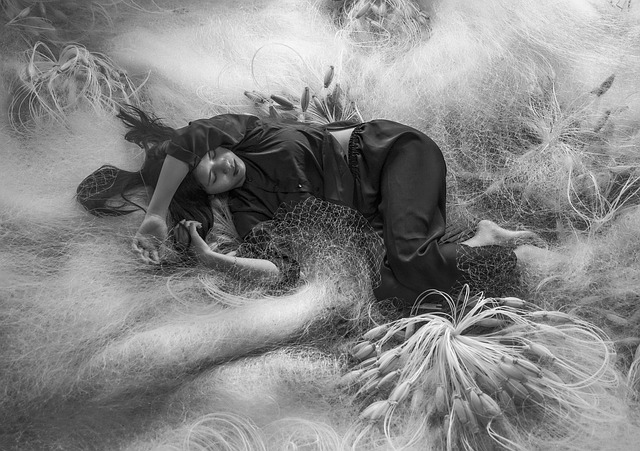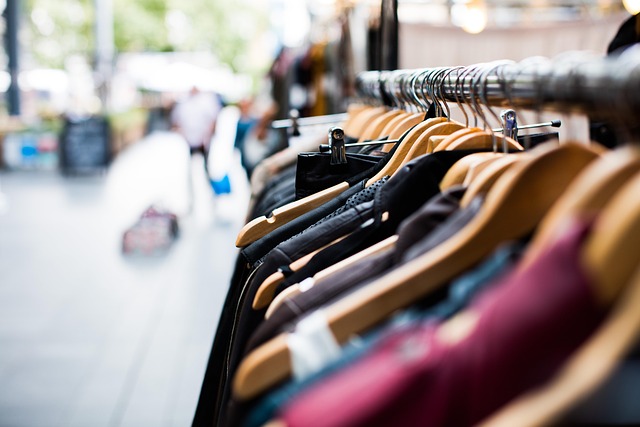


When most people think of a salon, the first image that pops up is a tidy space with a mirror, a barber’s chair, and a few neatly stacked bottles of shampoo. In the world of fashion, however, the concept of a salon has evolved into a dynamic hub where creativity, craftsmanship, and cutting‑edge design converge. A salon becomes more than a mere salon – it transforms into a laboratory for artists, designers, and visionaries who are reshaping how we think about clothing, texture, and self‑expression.
The Genesis of the Modern Fashion Salon
The roots of the modern fashion salon trace back to the ateliers of Paris in the late 19th century. Designers such as Charles Frederick Worth and later Coco Chanel turned their ateliers into sanctuaries where the avant‑garde of fashion was born. These early salons were intimate, allowing patrons to witness the birth of garments, and to participate in a dialogue that combined artistic intent with sartorial needs.
- Private workshops where designers could experiment with fabrics without the constraints of mass production.
- Exclusive clientele that sought individuality over conformity.
- Interdisciplinary collaboration between painters, sculptors, and textile designers.
Today’s salons carry forward that tradition, but with an expanded mission: they are incubators for sustainability, digital innovation, and social commentary. Fashion designers collaborate with technologists, environmentalists, and community activists to push the boundaries of what a garment can signify.
Artistic Fusion in the Salon Environment
In a salon, the boundaries between fashion and fine art dissolve. Designers use canvases of fabric to paint, sculpt, and experiment with light. The space becomes a gallery where each garment tells a story through color, shape, and texture.
“The runway is a stage, and every piece is a performance,” said a prominent contemporary designer in a recent interview. “In our salon, we choreograph the entire experience, from the stitch to the scent.”
Such statements highlight how salons are not just production facilities but narrative centers where the journey of a garment is as important as the finished product. The salon’s atmosphere encourages spontaneous creativity, turning every corner into a potential showcase.
Digital Design and Virtual Fabrication
Digital tools have revolutionized the salon’s role. With 3D printing, laser cutting, and AI‑driven pattern generation, designers can now prototype in hours, reducing waste and accelerating the feedback loop. A key advantage is the ability to test how a garment moves and feels without committing to a costly material run.
- Computer‑aided design (CAD) allows for precise measurements and pattern optimization.
- Virtual reality (VR) platforms let clients experience garments in a simulated environment.
- Machine learning algorithms analyze trends and suggest sustainable material alternatives.
Through these technologies, the salon becomes a laboratory where artistic vision meets engineering precision, making the creative process more inclusive and data‑driven.
Environmental Consciousness in Salon Practices
One of the most critical conversations in the fashion industry is sustainability. Salons now play a pivotal role in developing eco‑friendly textiles, zero‑waste cutting patterns, and responsible dyeing processes.
- Organic cotton, bamboo, and recycled polyester are common in new collections.
- Closed‑loop dyeing methods reduce water consumption by up to 80%.
- Designers use digital mock‑ups to minimize fabric waste before cutting.
These practices do not merely reflect a trend; they embody a philosophy where art, design, and ecology coalesce. Salons serve as training grounds for designers to learn and implement these techniques, ensuring that future fashion is both beautiful and responsible.
Community Engagement Through Salon Initiatives
Beyond the walls of a design studio, many salons have extended their reach into local communities. Through workshops, pop‑up installations, and collaborative projects, they invite the public to engage directly with the creative process.
“Fashion should not be a closed gate; it must be a dialogue between creator and wearer,” explained a community‑focused designer. “Our salon’s outreach programs make that dialogue visible.”
These initiatives often bring underrepresented voices into the fashion conversation, allowing for a richer tapestry of cultural narratives. The salon becomes a conduit for empowerment, giving artisans and residents alike a platform to share their stories.
The Influence of Global Pop Culture on Salon Design
Globalization has injected diverse cultural motifs into the salon’s creative repertoire. Designers draw inspiration from streetwear in Tokyo, heritage patterns in Oaxaca, and digital aesthetics from Berlin’s techno scene.
Such eclectic influences manifest in multi‑layered garments that defy traditional categorizations. For example, a single ensemble might combine a digitally printed kimono jacket with a recycled denim skirt, blending heritage with high tech.
- Fusion of textures: silk, neoprene, and biodegradable fibers.
- Color palettes that shift between vibrant street art hues and muted natural tones.
- Design motifs that blend traditional motifs with generative AI patterns.
By embracing this cross‑pollination, salons become crucibles of innovation, ensuring that fashion remains responsive to a rapidly changing world.
Future Trends: Wearable Technology and Adaptive Design
As technology continues to permeate every aspect of our lives, the salon is at the forefront of integrating smart fabrics into everyday wear. These materials can change color in response to temperature, monitor health metrics, or adjust fit automatically.
- Conductive threads that enable charging of small devices.
- Phase‑change fibers that regulate body temperature.
- Embedded sensors that track movement, aiding in posture correction or athletic performance.
Designers in the salon explore how these functionalities can be woven into garments without compromising aesthetic integrity. The intersection of art and technology is where the next wave of fashion will emerge.
Conclusion: The Salon as a Catalyst for Fashion’s Future
The modern salon is no longer a silent space for cutting and sewing; it is a vibrant arena where ideas collide, cultures merge, and sustainable futures are imagined. By fostering collaboration between artists, technologists, and community members, the salon acts as a beacon for the next generation of designers.
In a world where consumers increasingly demand transparency, ethical production, and individuality, the salon offers a blueprint for how fashion can evolve responsibly while staying true to its artistic roots. Every stitch, every pixel, every conversation inside the salon is a step toward a more inclusive, innovative, and sustainable fashion ecosystem.