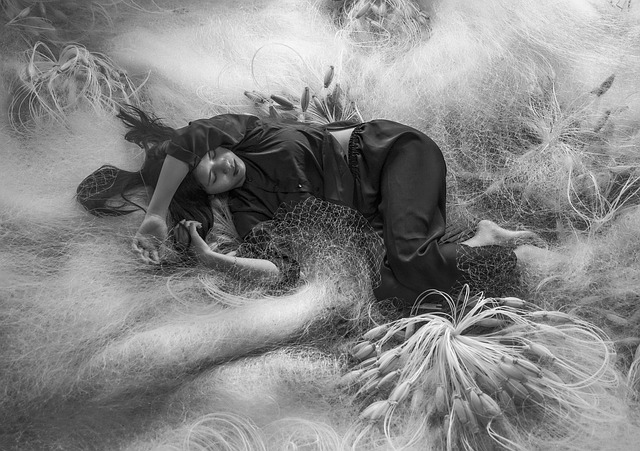
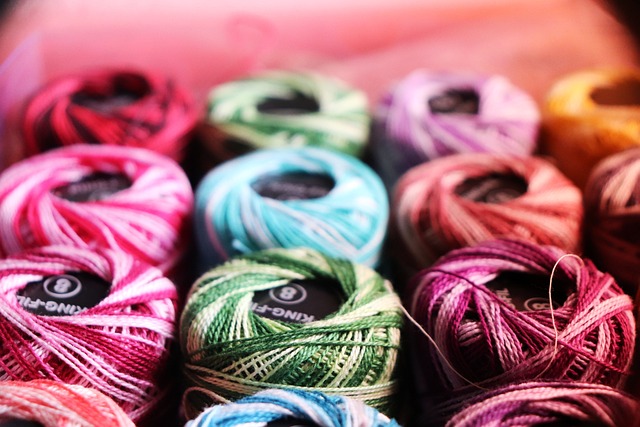

For centuries, textile art has woven its influence into the very fabric of human culture, transforming simple fibers into stories that span continents and epochs. In the contemporary scene, this ancient craft has been reimagined by designers who see patterns not merely as decorative accents but as dynamic narratives that challenge conventions. The convergence of technology, sustainability, and artistic exploration has birthed a new wave of textile art that speaks to a generation hungry for authenticity, versatility, and ethical storytelling.
From Loom to Laptop: The Evolution of Textile Art
While the roots of textile art trace back to the Indus Valley, where fine silks were produced, the modern era is defined by a digital renaissance. The handloom, once the backbone of village economies, has given way to high-speed weaving machines, yet the essence of creativity remains unchanged. The most significant leap came with computer-aided design (CAD) and 3D printing, which allow designers to experiment with color palettes, textures, and structural forms before a single thread is spun. This fusion of heritage and innovation has opened doors to unprecedented complexity and scalability.
- Historical techniques: shuttle loom, jacquard, hand-dyed fabrics.
- Modern tools: laser cutting, digital printing, programmable fibers.
- Cross‑disciplinary collaborations: architects, engineers, neuroscientists.
Techniques That Define the New Wave
Three primary techniques are reshaping the landscape of textile art: smart fibers, bio‑fabrication, and algorithmic patterning. Smart fibers embed micro‑electronics or responsive materials that change color with temperature, light, or touch, creating garments that adapt to their environment. Bio‑fabrication uses living organisms, such as algae or bacteria, to produce fibers that are both biodegradable and visually striking. Algorithmic patterning leverages generative algorithms to produce infinite variations of motifs, ensuring each piece feels unique.
“The future of fabric is not just about how it looks, but how it behaves.” – A leading textile technologist
Redefining Aesthetics: From Bold Prints to Minimalist Geometry
Today’s textile art refuses to be confined by traditional aesthetic binaries. Bold, hand‑painted prints coexist with laser‑etched geometric grids, while natural dyes are being blended with digital inks to create hybrid palettes that challenge color theory. Designers are also embracing asymmetry, irregular shapes, and negative space, allowing garments to breathe and evolve as they move. This shift encourages wearers to experience clothing as living art rather than static attire.
Sustainability: A Core Pillar of Modern Textile Art
Environmental consciousness has become integral to the ethos of textile art. Innovations such as closed‑loop dyeing, which recycles water and reduces chemical waste, are now industry standards. Additionally, the rise of regenerative agriculture for cotton and hemp cultivation ensures that the raw materials themselves contribute positively to soil health. Designers are also exploring “design for disassembly,” enabling garments to be easily recycled or repurposed at the end of their lifecycle.
- Waterless dyeing technologies.
- Use of natural fibers and organic dyes.
- Modular design for easy repair and recycling.
Collaborative Frontiers: Artists, Scientists, and Consumers
One of the most exciting aspects of contemporary textile art is the growing collaboration between disciplines. Fashion houses partner with materials scientists to develop responsive fabrics, while community‑based art projects involve local artisans in co‑creating patterns that reflect cultural narratives. Consumers themselves become co‑creators through customization platforms that let them tweak patterns, colors, and fit, making the final garment a personal expression of identity.
Future Trends: What Lies Ahead?
The horizon for textile art is brimming with possibilities. Anticipated developments include:
- Biodegradable smart fabrics that self‑reconstruct after a single use.
- Integration of AR overlays that change visual patterns in real time.
- Community‑driven production models that use blockchain for transparent supply chains.
- AI‑driven personalization algorithms that recommend patterns based on biometric data.
Conclusion: Weaving Tomorrow’s Narrative
Textile art stands at a transformative crossroads where tradition, technology, and conscience intersect. As designers continue to experiment with new materials and methods, the garments of tomorrow will not only dress the body but also engage the mind and honor the planet. In this evolving tapestry, every stitch tells a story, every pattern challenges a status quo, and every wearer becomes an active participant in an ever‑unfolding creative dialogue.