
Where Metal Meets Muse
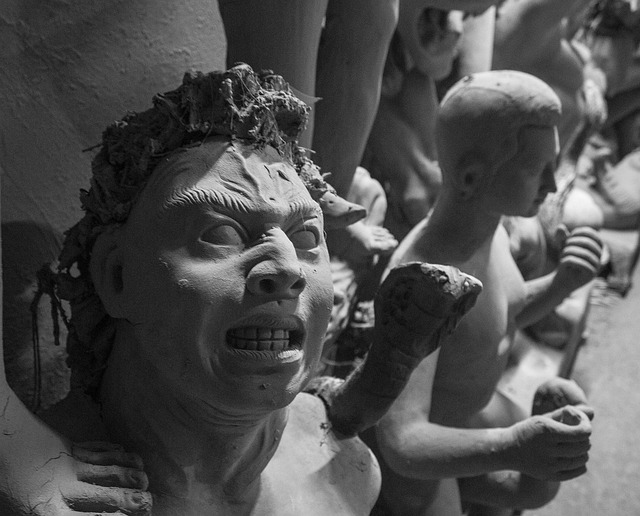
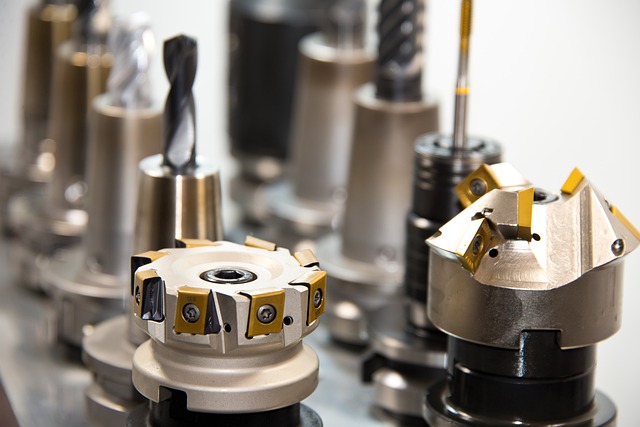
Walk into any contemporary studio dedicated to sculpture and you will often hear, amid the soft chatter of artists, the distinctive hum of a CNC mill or the rhythmic whir of a lathe. That sound is more than background noise; it is the heartbeat of modern Machining, translating digital visions into tangible works of art. For centuries, chisels and mallets shaped marble and wood. Today, precisely calibrated cutters carve aluminum, brass, and even exotic alloys with microscopic accuracy, giving sculptors a new vocabulary of form and texture.
The Emotional Geometry of Precision
At first glance, cold steel tools may seem detached from the warmth of human creativity, yet they amplify the artist’s intuition. Every programmed line of code contains a spark of imagination. When a sculptor watches the spindle glide, they witness an intimate dance between algorithm and emotion. In this moment, Machining stops being a manufacturing process and becomes an act of design empathy, allowing curves that mimic wind-worn stone or surfaces that appear to ripple like water.
From Concept Sketch to Digital Clay
The journey often begins in a sketchbook, where loose graphite lines hint at future silhouettes. These sketches migrate into 3-D modeling software, transforming into virtual maquettes that reveal every contour under simulated light. Here, designers exploit the freedom to explore negative space, exaggerated balance, and impossible undercuts. When the digital file is finally exported for Machining, it carries with it every artistic decision, every moment of hesitation, every burst of inspiration. The sculptor’s hand remains visible, only now filtered through the precision of coordinates and toolpaths.
Textures That Tell Stories
One of the most captivating aspects of machined sculpture is the ability to tailor surface finishes. A single pass with a ball-nose end mill can leave flowing, topographic lines that invite touch like ripples on sand. Layer multiple passes at varying depths, and those lines morph into organic scales shimmering in gallery lights. By deliberately leaving tool marks rather than polishing them away, artists celebrate the authenticity of process, allowing viewers to trace the narrative of creation with their fingertips.
Hybrid Hands
Even in the most technologically advanced studio, the human hand is never obsolete. After raw forms emerge from the mill, sculptors frequently return with files, abrasives, or even traditional chisels to soften edges and coax subtle transitions. This hybrid workflow erases the boundary between machine and maker. Onlookers are often surprised to learn that what appears perfectly spontaneous could originate from hours of G-code refinement. Yet therein lies the magic: Machining liberates time once spent roughing out volumes, granting artists space to focus on expressive nuances.
Design Ethics in the Age of Automation
As capability grows, so does responsibility. Artists must ask how their material choices impact the environment and how the energy consumed by multi-axis mills fits within sustainable practice. Many respond by sourcing recycled metals or selecting alloys that can be reprocessed indefinitely. Some integrate sensors within their sculptures, inviting the audience to interact and altering the definition of static art. Through mindful design, Machining becomes not only a means of fabrication but also a conduit for dialogue about the future of making.
The Resonance of Steel and Soul
To stand before a machined sculpture is to witness more than the sum of its parts. The crisp intersections, the mirrored planes, the delicate latticework—all of it speaks to the inseparable bond between technology and imagination. When viewers reach out, they feel cool metal warming under their touch, evidence that art, at its core, is a human endeavor, no matter how advanced the tools. Each polished bend and deliberate groove invites reflection on the evolving language of form and the endless possibilities unlocked when design meets deftly programmed precision.