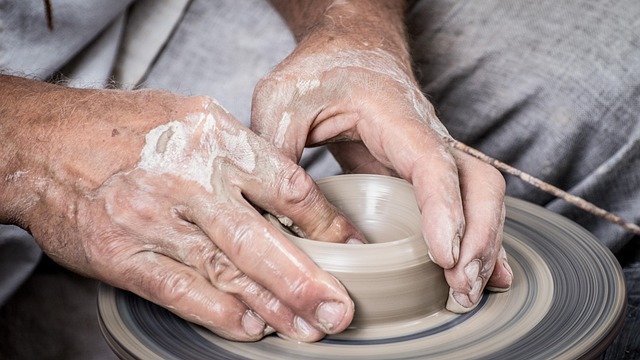

Delving into the world of academic sculpting is akin to embarking on a creative journey where art and design intertwine to form masterpieces that transcend time. As an artist, the allure of shaping raw materials into exquisite forms resonates deeply with the soul, offering a sense of fulfillment that is unparalleled.
Art, in its purest form, is a way of expressing ideas, emotions, and stories without the constraint of words. Sculpture, specifically, adds a tangible element to this expression, allowing the audience to not only see but also touch and experience the artwork in a physical space. In the realm of academia, this tactile nature of sculpture takes on a new significance, giving life to historical narratives, cultural reflections, and societal commentaries.
Design plays a crucial role in the process of academic sculpting, guiding the artist’s hand to transform a concept into a three-dimensional reality. Every curve, every line, and every texture is strategically crafted to convey a message or evoke a particular feeling. The thoughtful integration of elements such as composition, balance, and proportion ensures that the sculpture not only captures the viewer’s attention but also holds it, inviting contemplation and dialogue.
Academic sculpting, with its roots in tradition and its branches reaching towards innovation, presents endless possibilities for exploration and growth. By merging art and design within the academic context, sculptors are able to push boundaries, challenge perceptions, and inspire intellectual discourse. The process of sculpting becomes a conversation between the artist, the material, and the spectator, transcending the physical act of creation to become a profound exchange of ideas and emotions.
In essence, the art of academic sculpting from a design perspective embodies the essence of creativity, craftsmanship, and critical thinking. It is a celebration of the human spirit’s capacity to imagine, create, and communicate through the language of form and structure. As we delve deeper into this world of sculptural academia, we not only hone our skills as artists but also nurture our souls as storytellers, leaving behind a legacy that speaks volumes about who we are and what we believe.