
Preserving Beauty: The Art and Design of Digital Archiving in Photography
As photographers, we understand the value of capturing a fleeting moment of beauty and preserving it for eternity. In this fast-paced digital age, the significance of digital archiving cannot be overstated. It is where art and design intersect to ensure that our precious photographs are safeguarded and accessible for generations to come.
The art of digital archiving lies in the meticulous care taken to organize, label, and store our photographic works. Each image represents a piece of art that tells a story, evokes emotions, and captures the essence of a particular moment in time. By categorizing our photographs, assigning metadata, and creating backups, we are not only protecting our creations but also ensuring that they are easily retrievable and shareable.
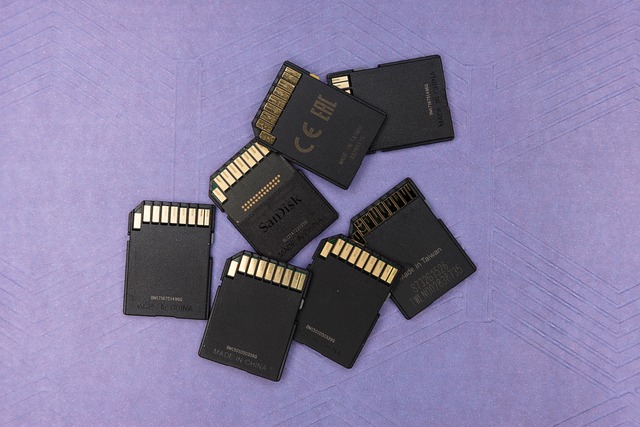
Design plays a crucial role in digital archiving. The layout of our archives, the choice of storage devices, and the implementation of efficient file naming conventions are all part of the design process. A well-designed digital archive is intuitive to navigate, secure from potential data loss, and scalable to accommodate our ever-growing collection of photographs.
Through digital archiving, we transform our photography into a legacy that transcends time. It is a way of preserving the beauty we have captured and sharing it with future audiences. Whether it’s a stunning landscape, a candid portrait, or a vibrant street scene, each photograph is a piece of art that deserves to be safeguarded and cherished.
Let us embrace the art and design of digital archiving in photography as a testament to our commitment to preserving beauty. By nurturing our digital archives with care and attention to detail, we ensure that the essence of our photography endures and continues to inspire and delight viewers for years to come.