

A lookout—whether a literal platform perched on a hill or a metaphorical viewpoint in design—has long served as a bridge between the built environment and the human experience. In architecture, the term evokes a sense of elevation, perspective, and intentional observation. When architects weave artistic expression into the very bones of a building, they transform ordinary spaces into powerful lookouts that invite contemplation, inspire dialogue, and reveal hidden narratives. This article explores how the convergence of art and design has elevated lookout concepts from simple functional features to celebrated focal points in contemporary architecture, turning the act of looking into an experience that is both aesthetic and deeply resonant.
The Intersection of Art and Architecture
At the heart of many modern buildings is a deliberate commitment to viewing: a deliberate placement of windows, balconies, and terraces that encourage occupants to look outward and inward. Art, in this context, is not merely decorative but structural. It shapes the flow of light, the rhythm of shadow, and the emotional tone of a space. Design innovation often emerges when an architect challenges the conventional role of a lookout, turning it into a sculptural element that communicates intent, heritage, or environmental stewardship.
- Contextual resonance: A lookout that reflects the surrounding landscape becomes an integral part of the narrative.
- Material storytelling: The choice of stone, glass, or composite can transform a simple platform into a dynamic art piece.
- Human scale: When a lookout is designed with people in mind, it invites interaction, gathering, and reflection.
Designing for the View
When an architect designs a lookout, they consider not only the direction of the view but also the quality of the experience. How does the angle of the horizon change the mood of the space? What light patterns emerge at different times of day? These questions guide the integration of glass façades, cantilevered roofs, and open-air terraces that allow a seamless transition between interior and exterior realms. The lookout becomes a point of contact between the built form and the sky, a place where the city’s pulse can be felt in a quiet moment.
“A well-designed lookout is a dialogue between architecture and nature,” says a leading architect, noting that the interplay of shadow and light can evoke emotions that transcend the physical structure itself.
Case Studies of Lookout Design
Consider a contemporary art museum perched on a coastal cliff. Its upper terrace, a wide, cantilevered lookout, offers panoramic views of the sea and the surrounding cliffs. The terrace is not a mere platform; it is a sculpted expanse of glass and metal that interacts with wind, creating a living sculpture that changes with each breeze. Visitors often pause at this lookout to absorb the horizon, their attention drawn to the subtle movement of the structure itself.
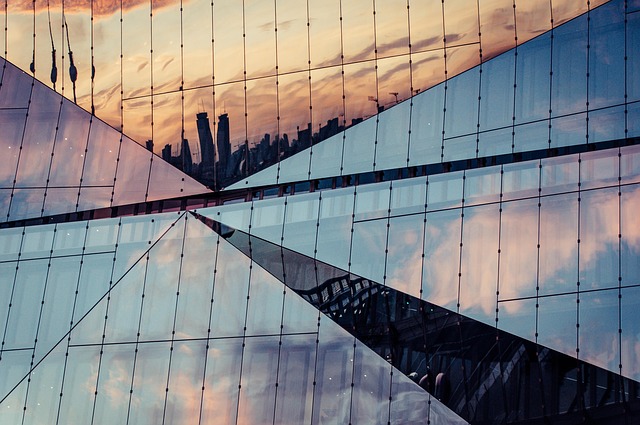
Another example is a high-rise office building that incorporates a rooftop lookout as part of its public amenity. The lookout’s façade is glazed with a translucent material that refracts sunlight into a kaleidoscope of colors across the lobby below. The design choice makes the rooftop a destination for both employees and visitors, turning a typical office rooftop into a living work of art.
Materials and Technology
Modern lookout design often relies on innovative materials that combine structural performance with artistic expression. These materials must withstand environmental forces while contributing to the aesthetic narrative of the space. They also enable architects to push the boundaries of form and function.
- Transparent aluminum: A composite that offers unparalleled strength and clarity, allowing a lookout to become a continuous, see-through element.
- Photovoltaic glass: This material turns a lookout into an energy-generating feature while maintaining transparency and light transmission.
- Responsive timber facades: Engineered timber that can adjust its angle or porosity to control light, creating a dynamic lookout that changes throughout the day.
The Role of Light and Color
Light is the invisible brushstroke that gives a lookout its character. The way a building responds to sunrise, midday sun, and sunset can define the emotional arc of a visitor’s experience. Architects now use advanced modeling software to predict light behavior across a lookout’s surface, ensuring that the view remains vibrant and inviting throughout the year.
Color, too, plays a pivotal role. The choice of finishes, pigments, and even the color of the surrounding environment can either highlight or blend a lookout into its context. A bold, contrasting color palette can make a lookout stand out as a landmark, while a muted, harmonious palette can integrate it seamlessly into the surrounding skyline.
Future Directions
As climate change and urban density challenge traditional architectural paradigms, lookouts are evolving into multifunctional hubs. They may incorporate green roofs, vertical gardens, or even small ecosystems that support local biodiversity. In addition, advances in digital fabrication allow for complex geometries that were previously impossible, enabling architects to craft lookouts that are both breathtaking and sustainable.
“The future of lookout design lies in creating spaces that not only look good but also do good,” remarks a sustainable design advocate, emphasizing that every lookout can contribute to the health of the surrounding environment.
- Smart integration: Embedded sensors that monitor wind speed, temperature, and air quality.
- Biophilic design: Incorporating living walls and water features to enhance the sensory experience.
- Community engagement: Designing lookouts that serve as gathering places for cultural events, markets, and public art installations.
In the end, the concept of a lookout in architecture is a testament to the power of looking—both literally and figuratively. When art, design, and innovation converge on a single platform, they create a space that invites reflection, sparks conversation, and elevates the everyday into something memorable. Whether perched on a mountain ridge, a seaside cliff, or a city skyline, these lookouts become landmarks that remind us of the beauty that lies both above and around us.