
The evolution of the boot from a functional workhorse to a celebrated canvas of creative expression mirrors the broader dialogue between art and fashion. In contemporary street couture, designers are increasingly treating the boot as a sculptural statement, embedding motifs, textures, and narrative layers that challenge conventional silhouettes. This convergence of craftsmanship and imagination transforms a simple footwear item into an immersive experience where every curve and seam becomes a brushstroke.
From Heritage to Hyper‑Modern: A Historical Lens
Historically, the boot has roots in utilitarian needs—soldiers, laborers, and explorers relied on sturdy leather for protection. Over centuries, these utilitarian forms evolved into the distinctive styles that grace runways today. The 20th‑century saw the rise of high‑fashion boots that fused elegance with boldness, exemplified by iconic models that remain references for contemporary designers. The boot’s heritage offers a rich palette for modern reinterpretation, inviting designers to reimagine its silhouette through avant‑garde lenses.
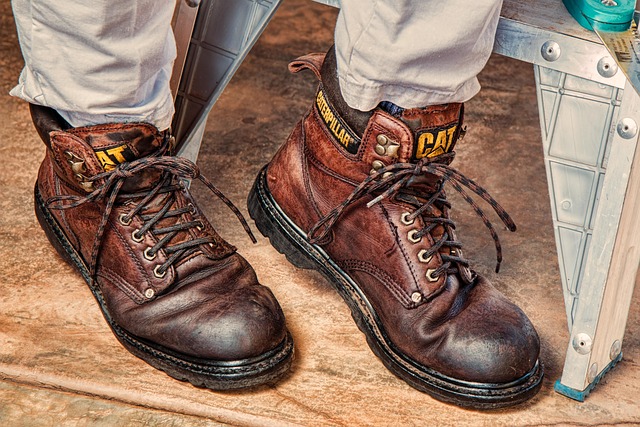
- Rugged work boots: the foundation of durability.
- Fashion runway boots: the canvas for artistic flair.
- Urban street boots: the bridge between heritage and hype.
Textural Dialogue: The Material Mix
Material choices are the first brushstroke in a boot’s artistic journey. Traditional leather, suede, and nubuck continue to hold sway, but contemporary designers are layering these with unexpected fabrics—lace, neoprene, and recycled plastics—to subvert expectations. The interplay between softness and rigidity creates tension, echoing the dialogue between the avant‑garde and the mainstream.
“The boot is not just footwear; it’s a medium through which we can interrogate texture and narrative.” – A leading designer on the street couture circuit.
Color as Storytelling
Color selection transforms a boot from a mere accessory into a narrative device. Bold primary hues signal confidence, while monochromatic palettes convey sophistication. Designers now employ color gradients, muted earth tones, and reflective finishes that respond to light, creating boots that appear to shift in real time. The boot’s color often mirrors the season’s mood, acting as an emotional barometer for the wearer.
Prints and Embellishments
From subtle embossing to intricate laser‑cut patterns, embellishments bring the boot to life. Floral motifs, geometric abstractions, and cultural symbols are integrated through stitching, embossing, or digital printing. These embellishments function as visual metaphors, encapsulating themes such as resilience, migration, or technological progress. When combined with the boot’s form, they elevate the piece into wearable art.
- Embroidery that tells a story of heritage.
- Laser‑cut geometries that hint at futuristic design.
- 3‑D printed accessories that add dimension.
Form Meets Function: Innovative Silhouettes
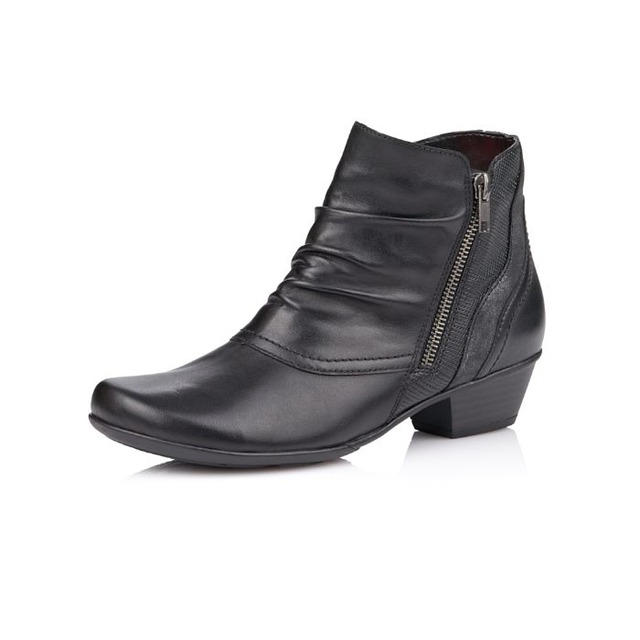
Traditional boot silhouettes—combat, Chelsea, Ankle—serve as starting points for radical reinterpretation. Contemporary designers push boundaries by altering heel heights, extending shaft lengths, and introducing asymmetrical cuts. Functional elements such as removable liners or adjustable straps are woven into the design, ensuring the boot remains adaptable to various streetwear contexts.
Lightweight Technology
The integration of lightweight, breathable materials allows boots to remain comfortable while maintaining their artistic edge. Materials such as recycled EVA foam, memory‑gel insoles, and nano‑fiber uppers provide cushioning without compromising the design. This fusion of comfort and creativity is essential for street couture, where wearers expect both style and practicality.
Collaboration as Creative Catalyst
Cross‑disciplinary collaborations—between fashion houses and visual artists, tech innovators, and cultural icons—infuse boots with fresh perspectives. Such partnerships often result in limited‑edition pieces that resonate with niche audiences while pushing the envelope of mainstream fashion. The boot becomes a platform where distinct voices converge, creating a multi‑layered narrative that captivates consumers.
Storytelling Through Limited Editions
Limited edition boots carry the aura of exclusivity, making them desirable collectibles. Designers employ storytelling techniques—unique packaging, behind‑the‑scenes videos, and artist signatures—to deepen the narrative. This storytelling turns the boot into an heirloom rather than a disposable item, aligning with sustainable fashion principles.
Street Culture as Muse
Street culture provides an inexhaustible source of inspiration for boot designers. Graffiti, skateboarding, and hip‑hop aesthetics influence color palettes, motifs, and structural choices. The boot becomes a vessel for urban narratives, reflecting the vibrancy and diversity of city life. As a result, boots designed for street couture often carry an energetic, rebellious spirit.
Urban Fabrication Techniques
Innovations such as 3‑D knitting, laser cutting, and modular assembly allow designers to produce boots that echo the dynamic, ever‑changing cityscape. These techniques reduce waste, streamline production, and enable rapid prototyping, fostering an iterative creative process that mirrors the improvisational nature of street culture.
Environmental Responsibility in Boot Design
The fashion industry’s environmental footprint is a pressing concern. Sustainable boot design addresses this through material sourcing, closed‑loop manufacturing, and circular economy strategies. Designers experiment with plant‑based leathers, biodegradable textiles, and recycled metals, proving that environmental responsibility can coexist with high‑fashion artistry.
Closed‑Loop Production
Closed‑loop systems recover waste leather, repurpose cut‑offs, and recycle unsold stock. This reduces landfill waste and lowers carbon emissions. Boot designers incorporate modular components that can be swapped or repaired, extending the product life cycle and aligning with consumer demands for longevity.
The Future of Boot Design: Digital Integration
Digital technology reshapes how boots are conceived, produced, and experienced. Augmented reality (AR) enables consumers to visualize different colorways or customizations before purchase. Artificial intelligence (AI) assists in pattern optimization, reducing waste and improving fit. Blockchain technology can authenticate provenance, ensuring each boot’s journey is transparent and traceable.
Personalization as a New Norm
Consumers now expect boots that reflect their individuality. Personalized prints, monogramming, and even custom geometry allow wearers to co‑create their footwear. This level of personalization reinforces the boot’s status as a canvas for personal expression, blurring the line between designer and consumer.
Conclusion: The Boot as a Living Artwork
In the intersection of art and street couture, the boot stands out as a uniquely adaptable medium. Its rich heritage, combined with modern materials, cutting‑edge fabrication, and sustainable practices, transforms each pair into a living artwork. By embracing interdisciplinary collaboration, digital innovation, and environmental responsibility, boot designers are redefining what it means to walk in style—literally and metaphorically. The boot no longer merely protects; it narrates, provokes, and inspires, inviting every wearer to step into a canvas where creativity meets the concrete.