
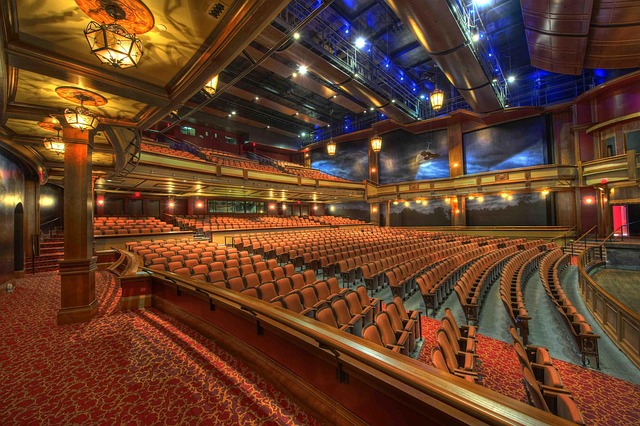

As we step into a space, our senses are instantly heightened. The way a room sounds can completely transform our experience within it. Acoustic design is a crucial element in architecture that often goes unnoticed, yet has a profound impact on our emotions and well-being.
Imagine walking into a grand cathedral, the sound of your footsteps echoing through the vast space, creating a sense of awe and reverence. The architectural design of the cathedral was carefully crafted to enhance the acoustic experience, allowing whispers to reverberate and fill the room with a sense of tranquility.
Art and design play a crucial role in acoustic design. From the materials used to the shape of the space, every aspect is carefully considered to create a harmonious environment. The way sound bounces off walls, floors, and ceilings is not left to chance, but rather is intentionally designed to create a specific acoustic effect.
Just as a piece of artwork can evoke powerful emotions, acoustic design has the ability to elicit a range of feelings from those who experience it. A concert hall designed with acoustic perfection can transport audiences to another world, where the music envelops them in a symphony of sound.
Next time you find yourself in a public space, take a moment to listen to the art of acoustic design that surrounds you. Whether it’s the hushed tones of a library or the bustling energy of a crowded cafe, each space has a unique acoustic fingerprint that enhances the overall design experience.
Acoustic design is not just about creating a soundproof room; it’s about crafting a space that speaks to our souls and enhances our connection to the world around us. Through the art of acoustic design, architects have the power to shape our perceptions and create environments that resonate with beauty and harmony.